
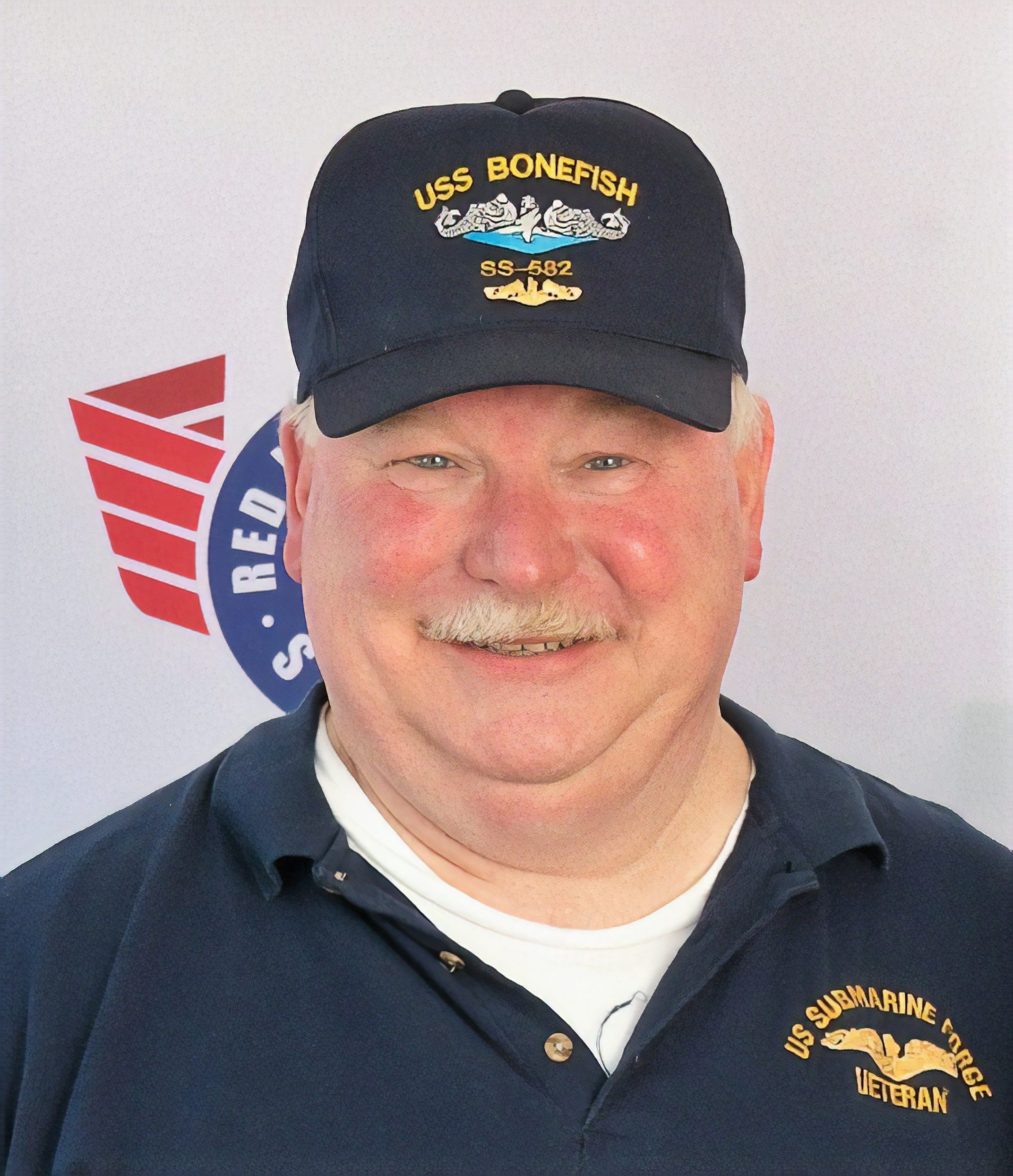
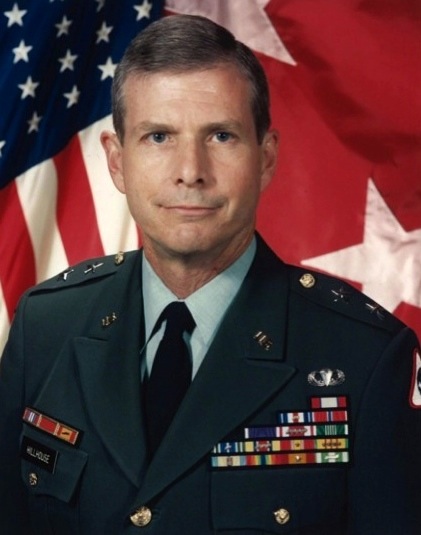
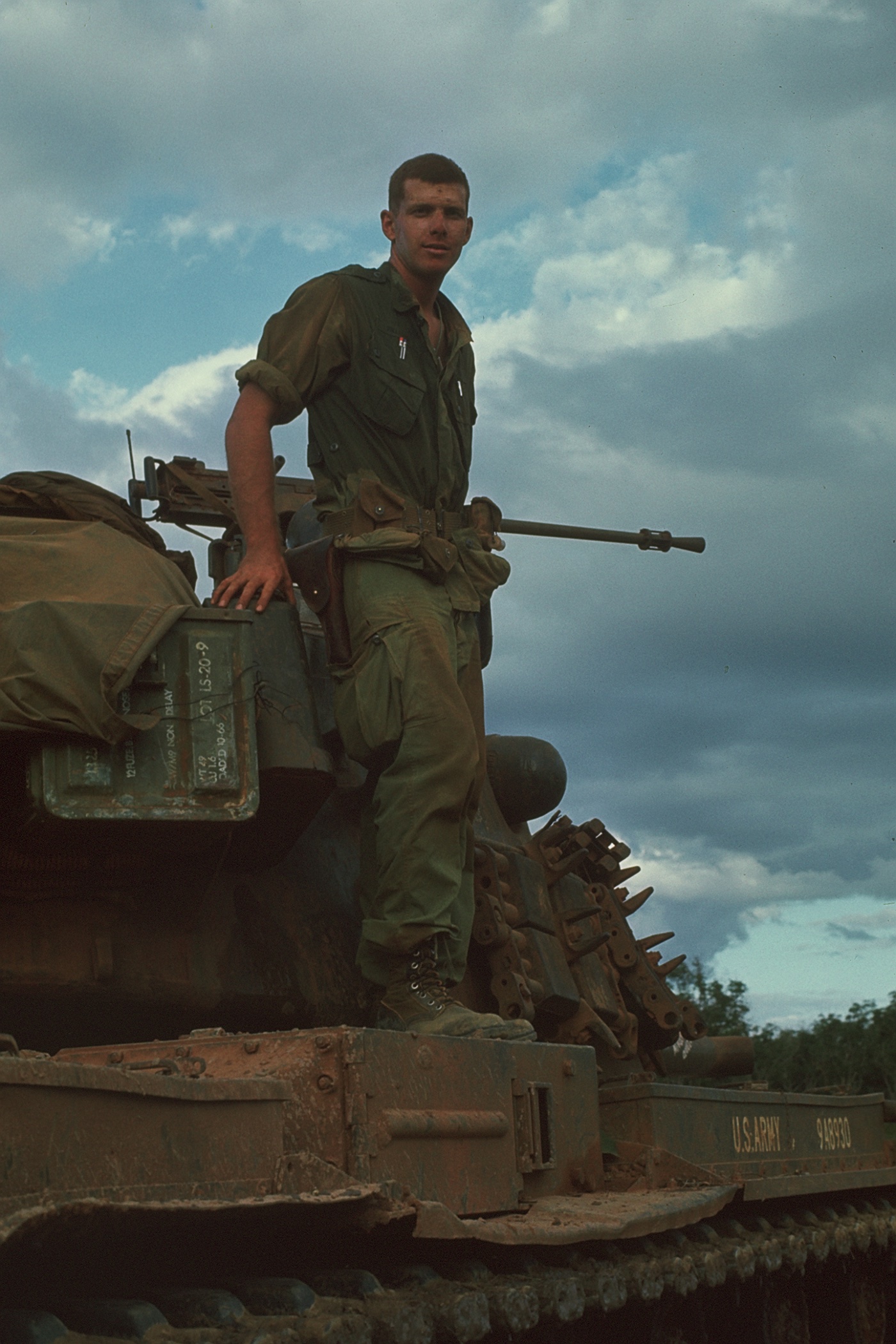
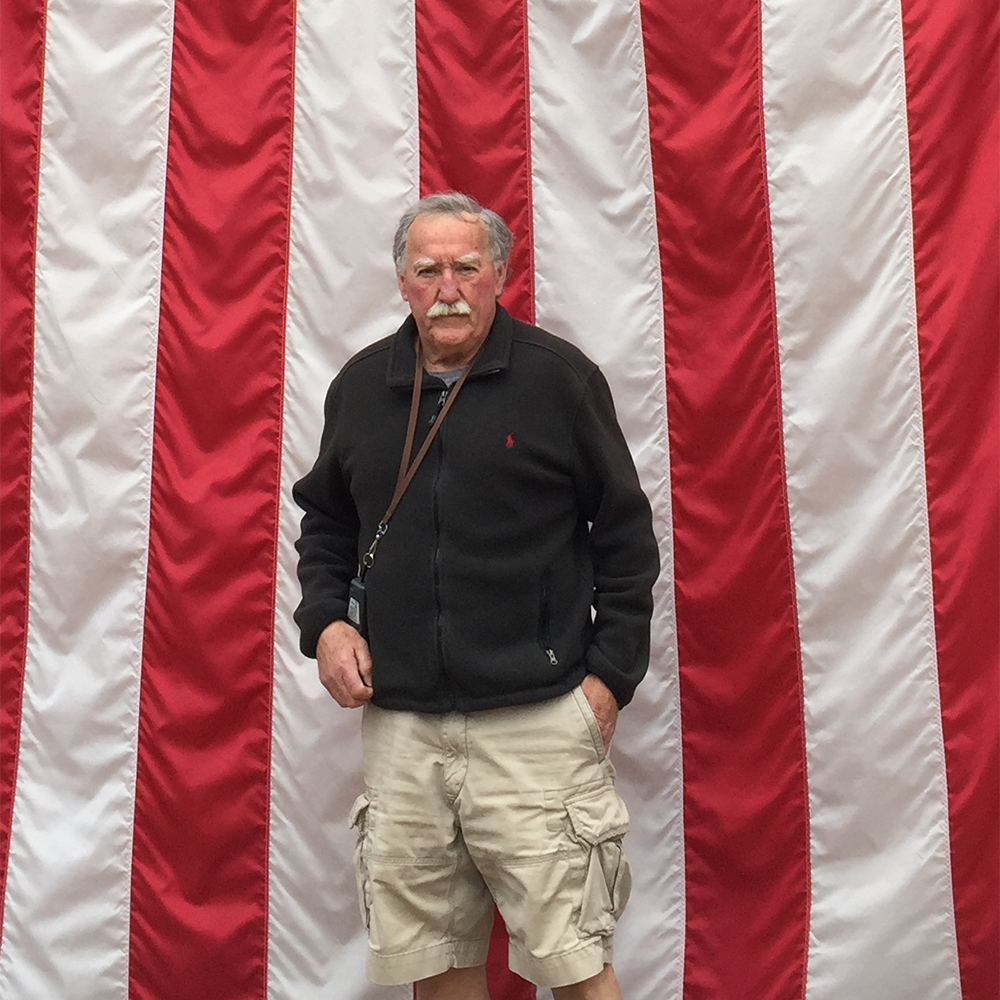
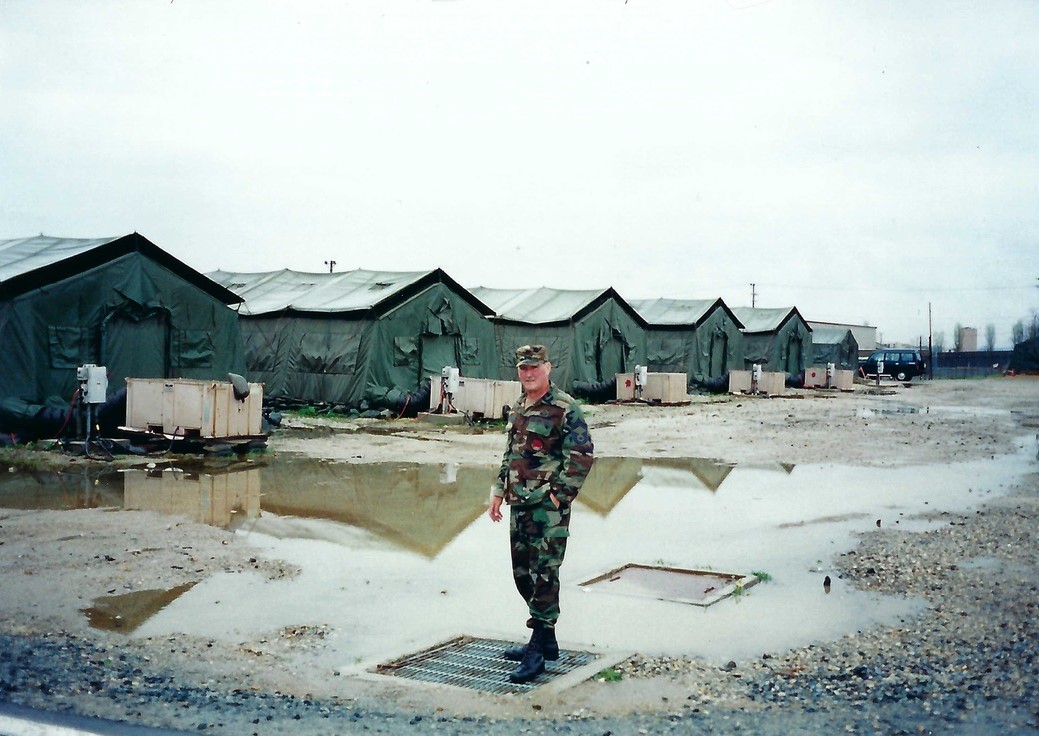
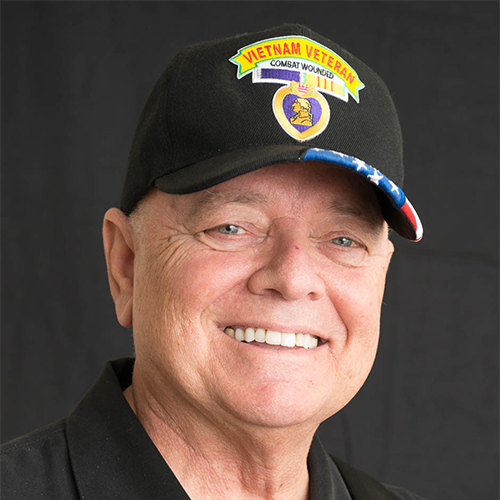
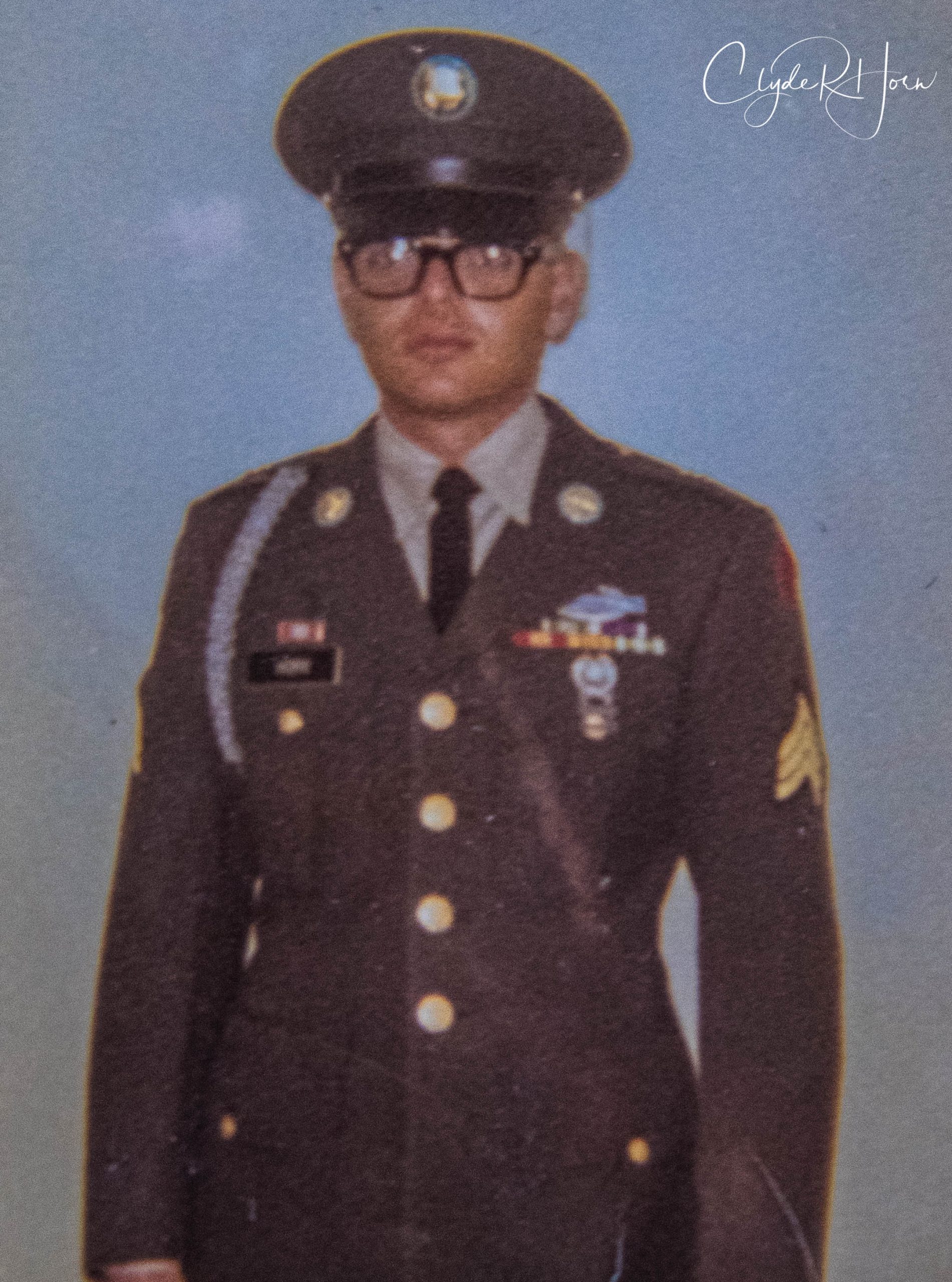
What do these illustrious individuals have in common?
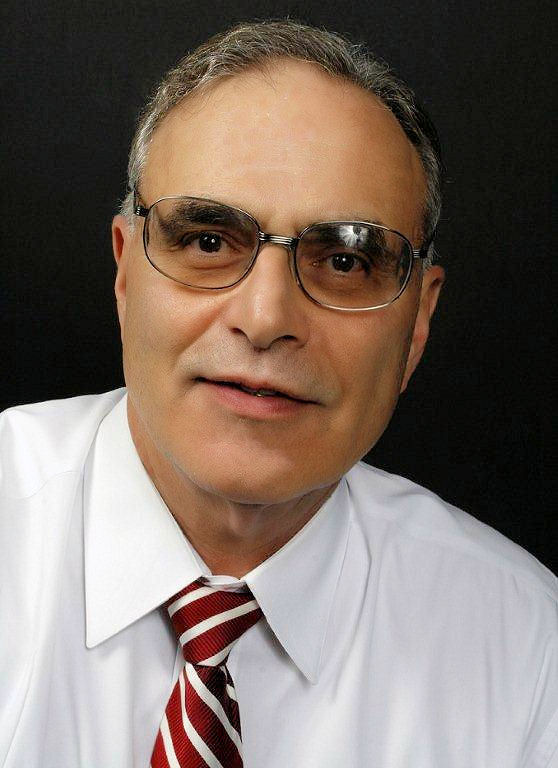
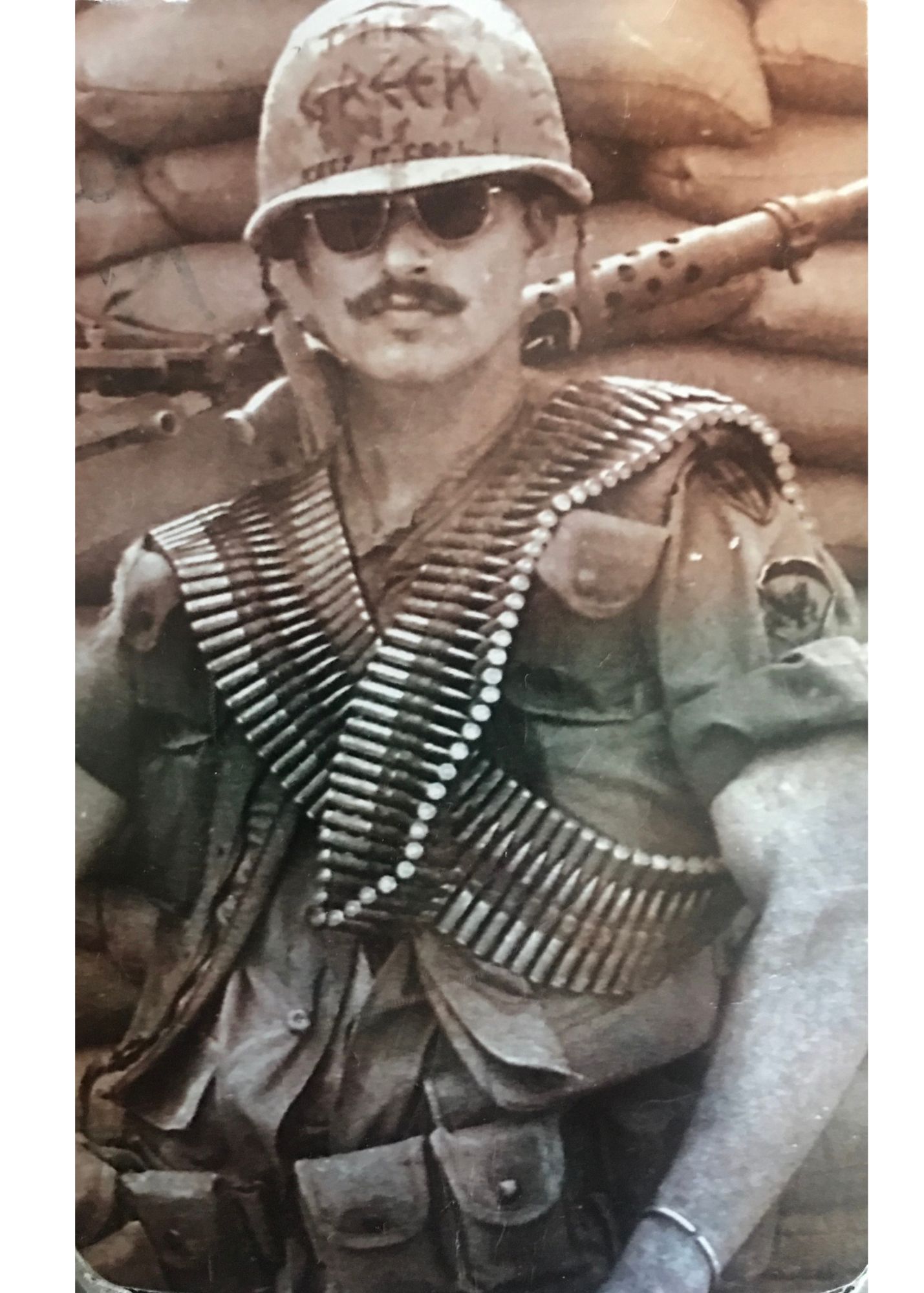
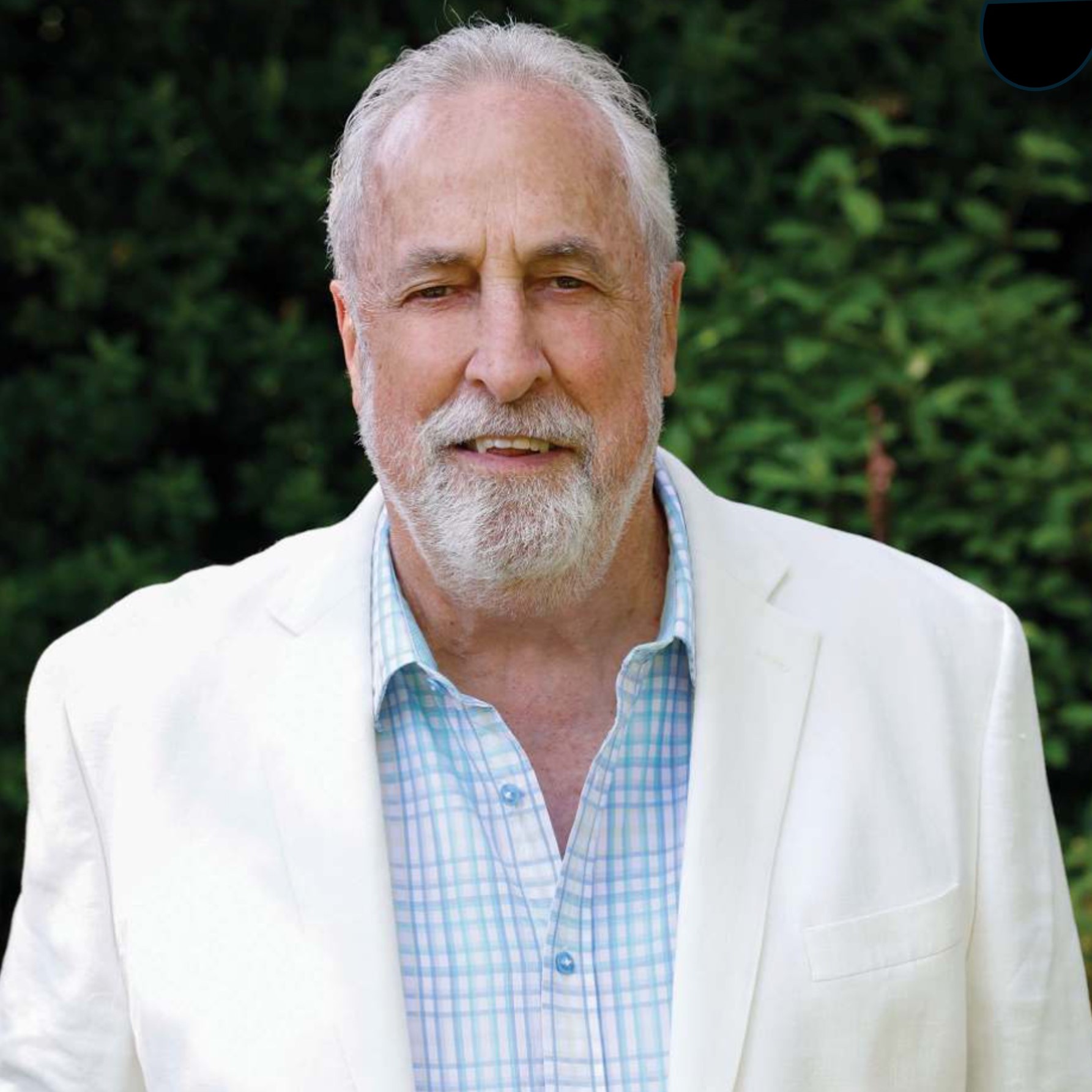
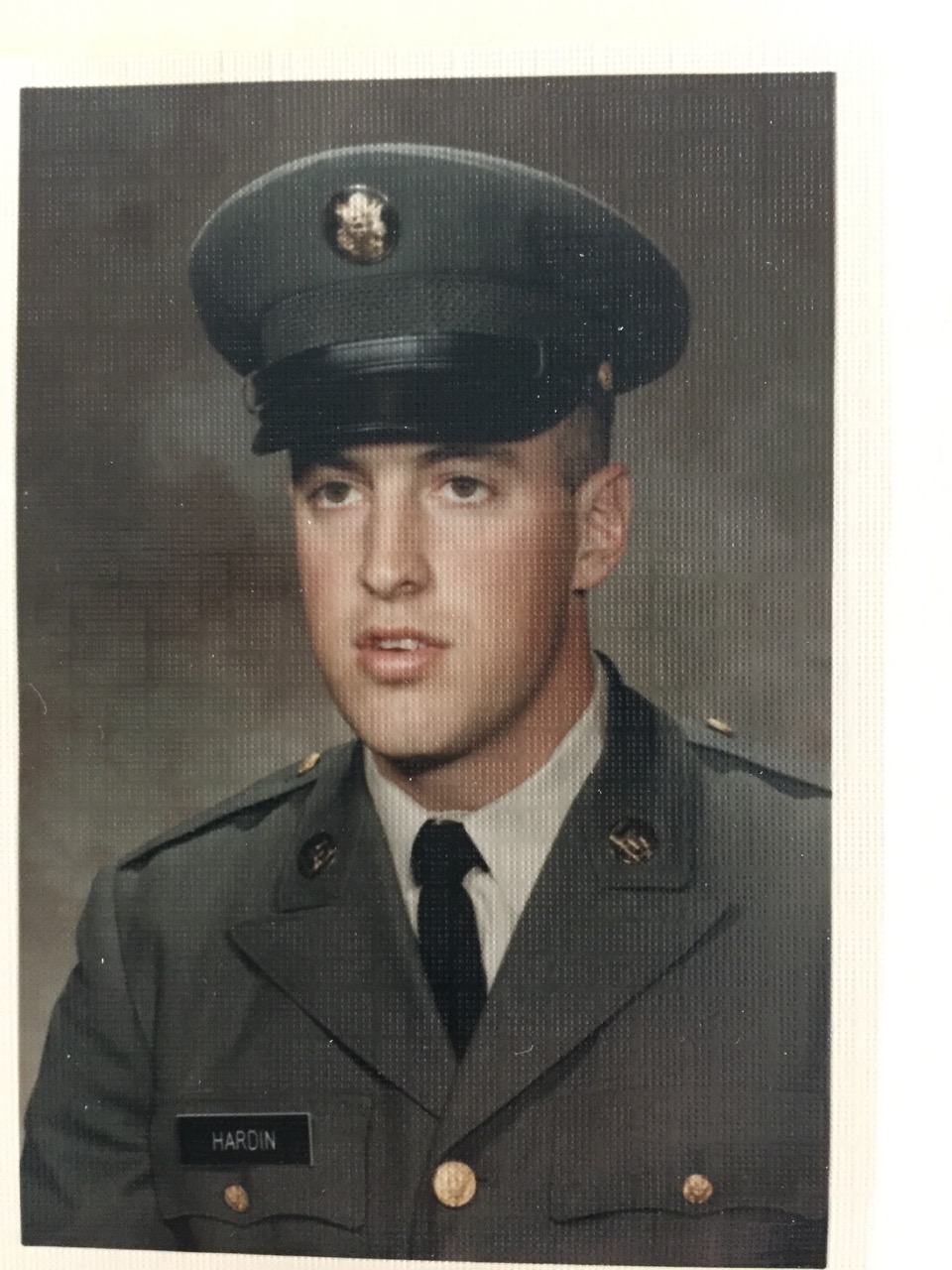
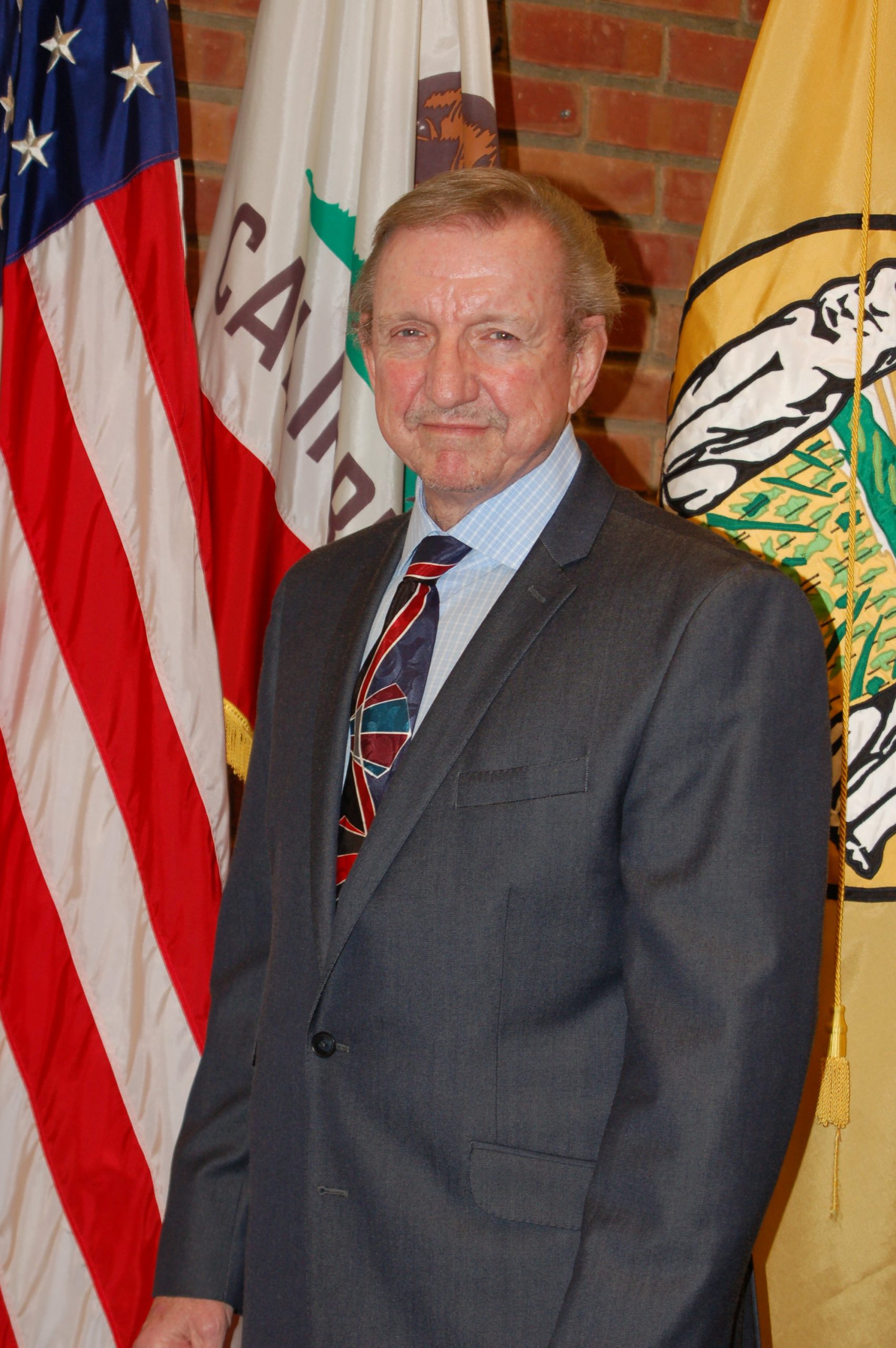
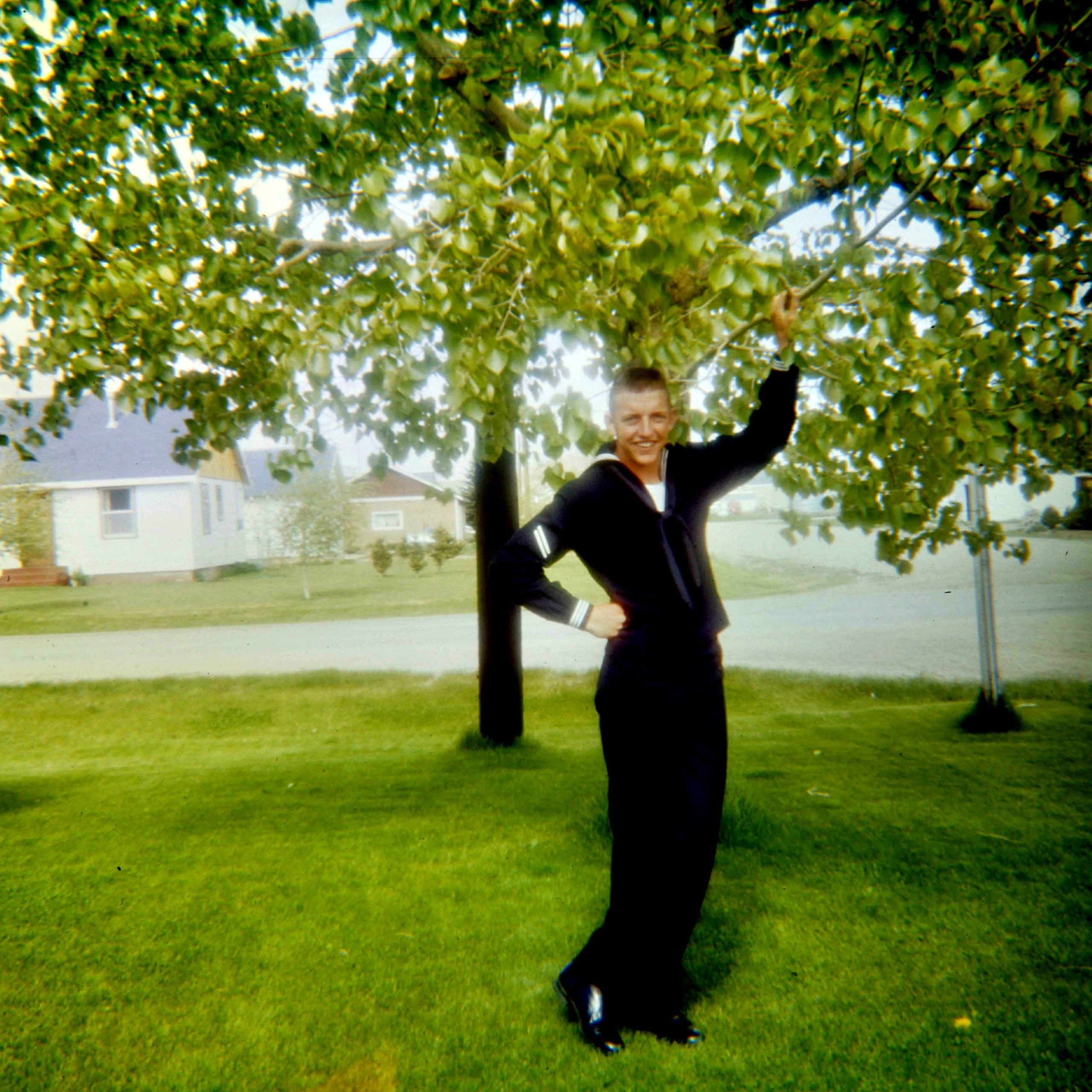
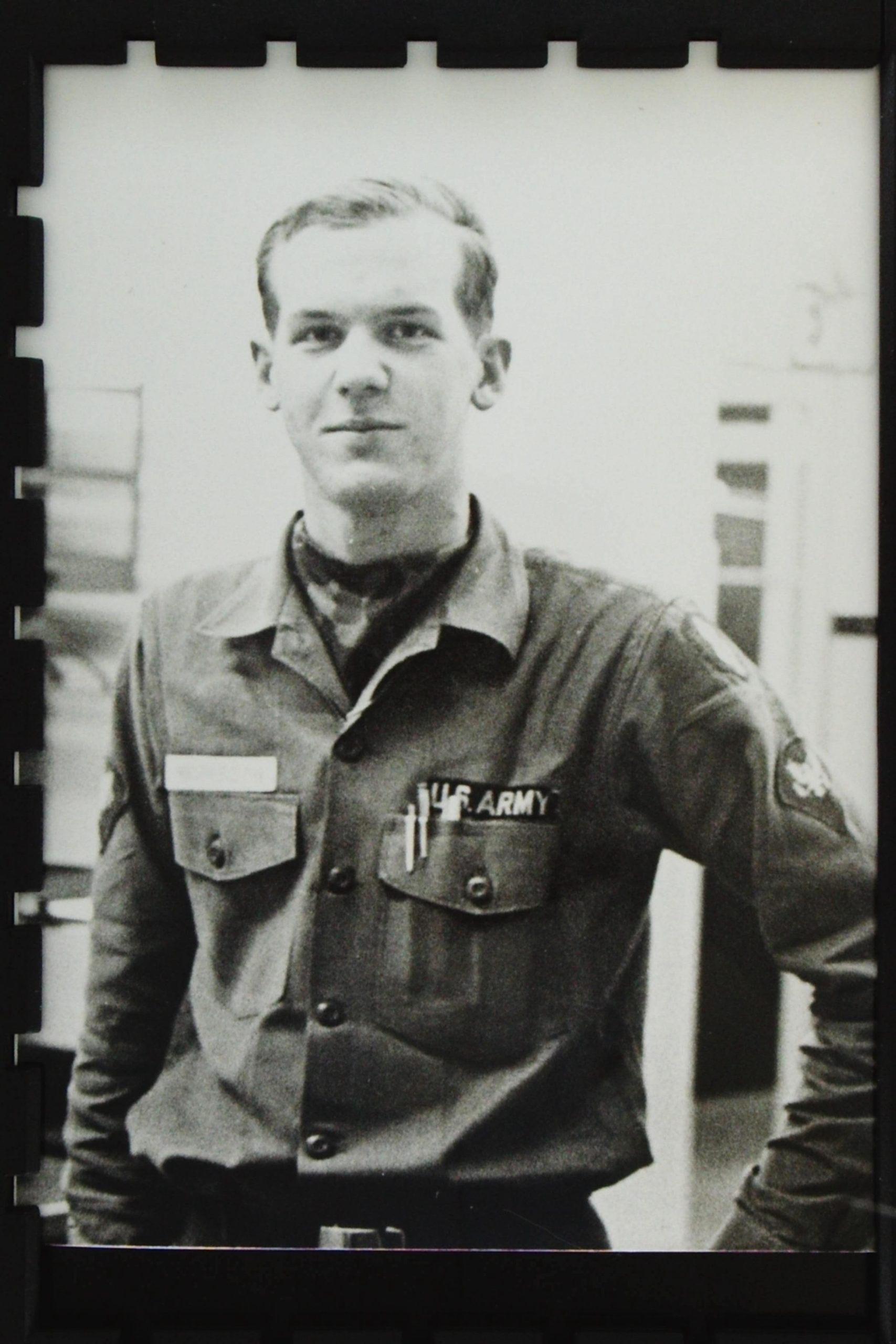
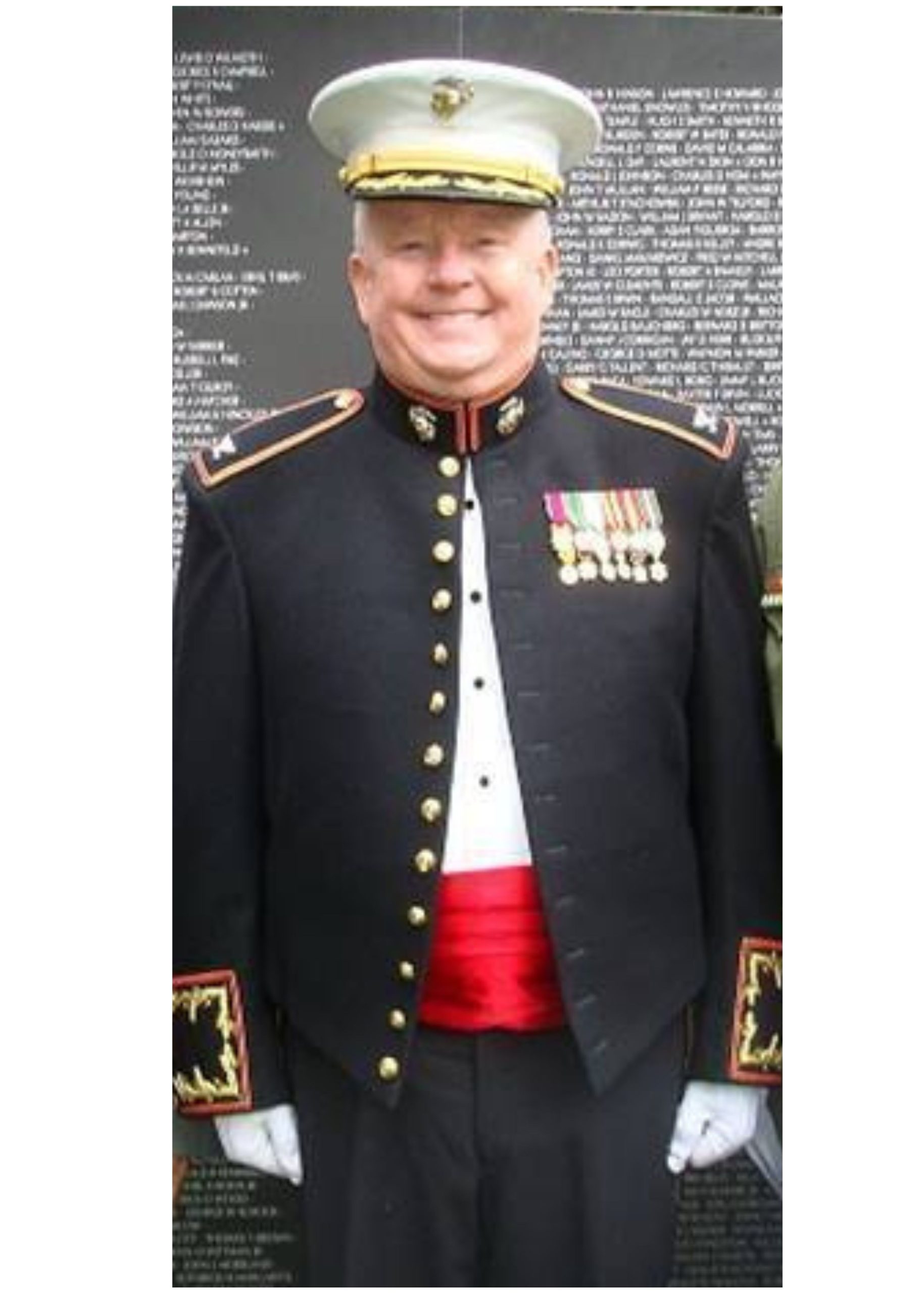
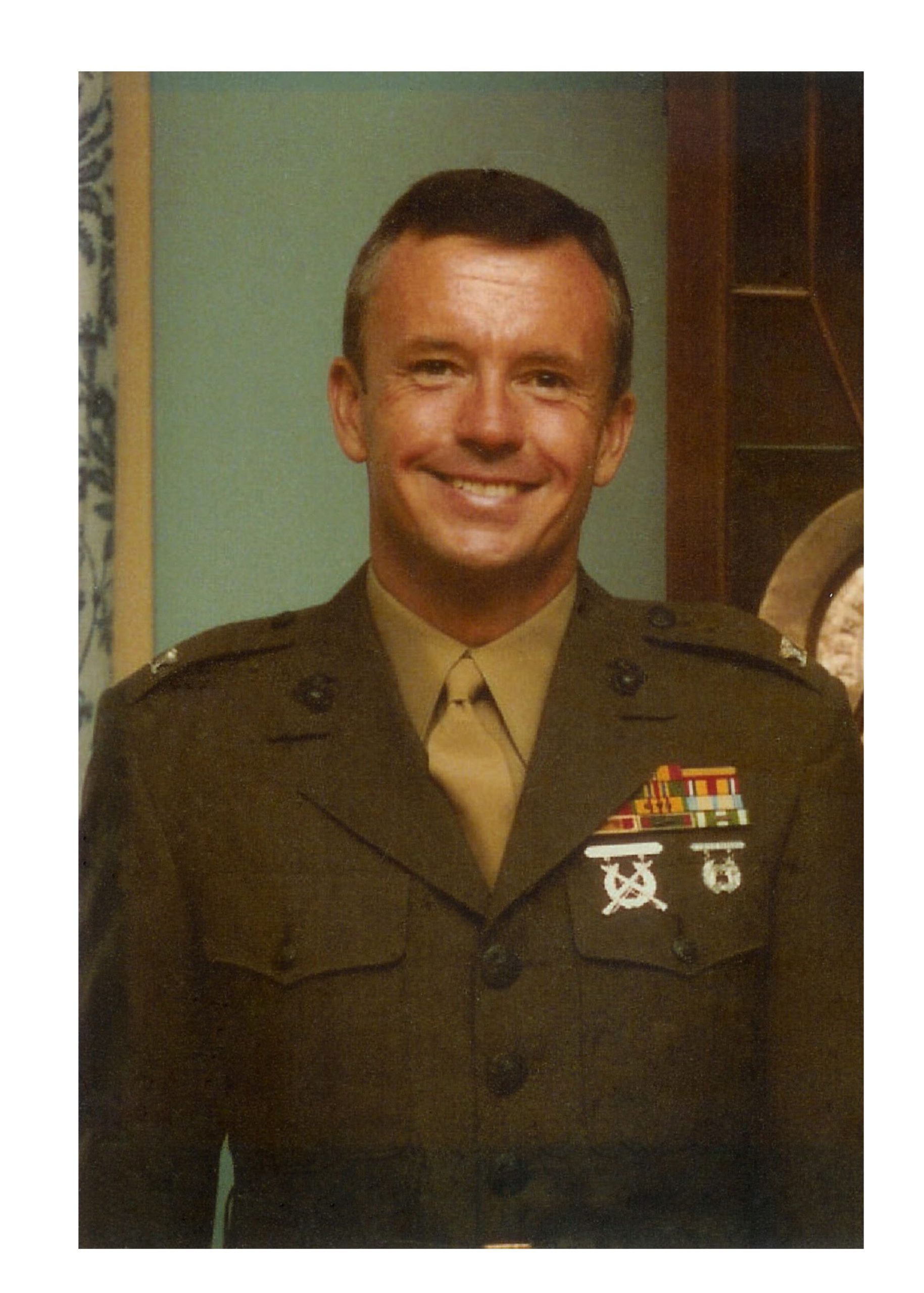
They Served So That We Can Live in Freedom!
Tell Us Your Story
TRAILER
Watch the celebration that was seven years in the making, direct from your living room!
Special thanks to KCAT for their assistance in pulling this together for us!
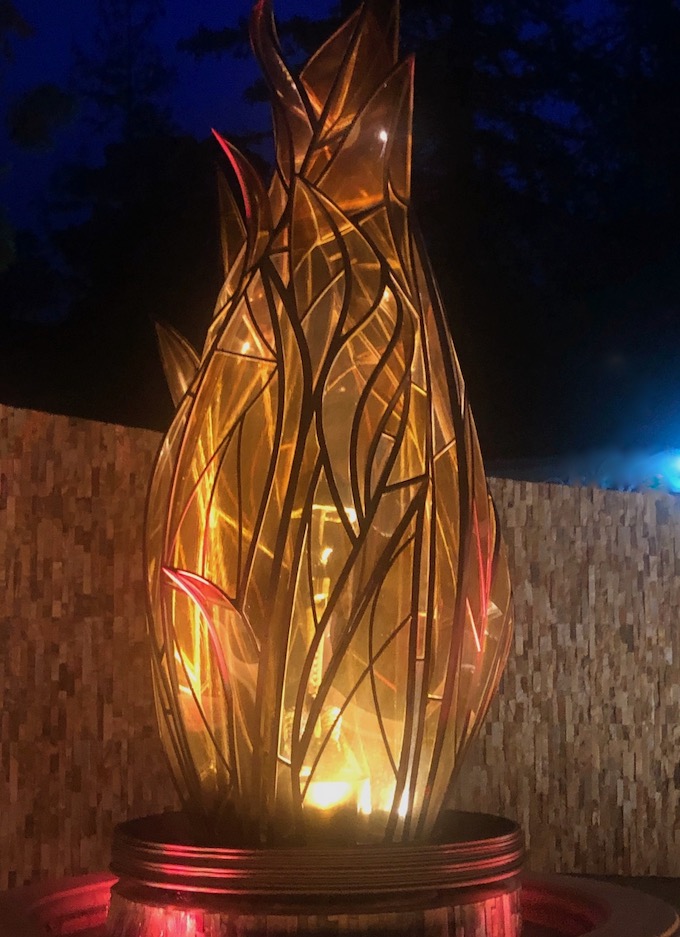
A small committee of Veterans and patriotic volunteers gave birth to the Foundation known as the Veterans Memorial & Support Foundation of Los Gatos. The Foundation intends to erect and manage in perpetuity, a memorial in downtown Los Gatos, one that celebrates freedom and gives tribute to service members and Veterans of the United States military.
The memorial is intended to recognize the courage and loyalty demonstrated by the brave men and women who have fought in conflicts, cataclysmic war and in so many ways, defend the freedom that defines America.
A small committee of Veterans and patriotic volunteers gave birth to the Foundation known as the Veterans Memorial & Support Foundation of Los Gatos. The Foundation intends to erect and manage in perpetuity, a memorial in downtown Los Gatos, one that celebrates freedom and gives tribute to service members and Veterans of the United States military.
The memorial is intended to recognize the courage and loyalty demonstrated by the brave men and women who have fought in conflicts, cataclysmic war and in so many ways, defend the freedom that defines America.
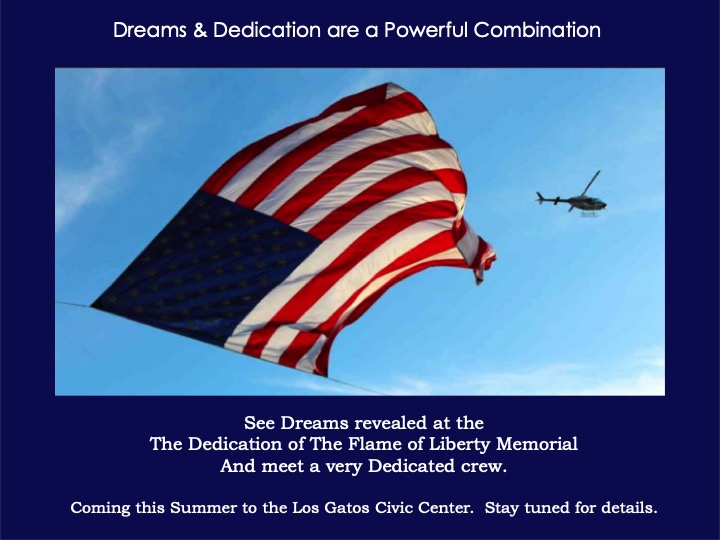
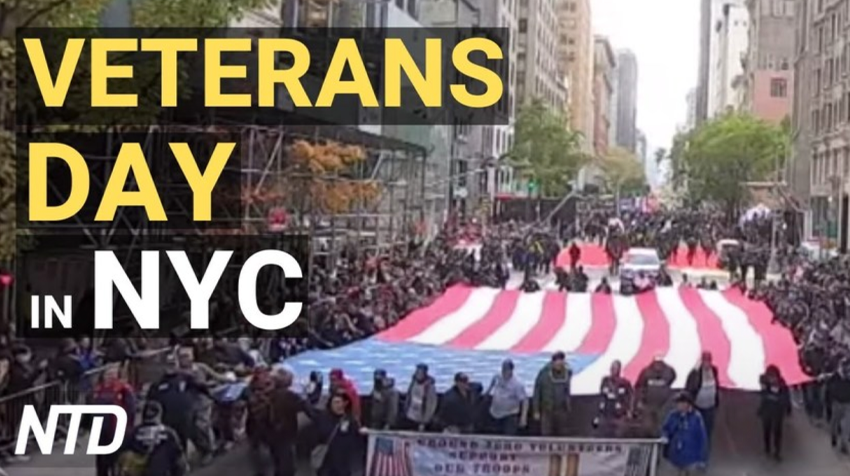
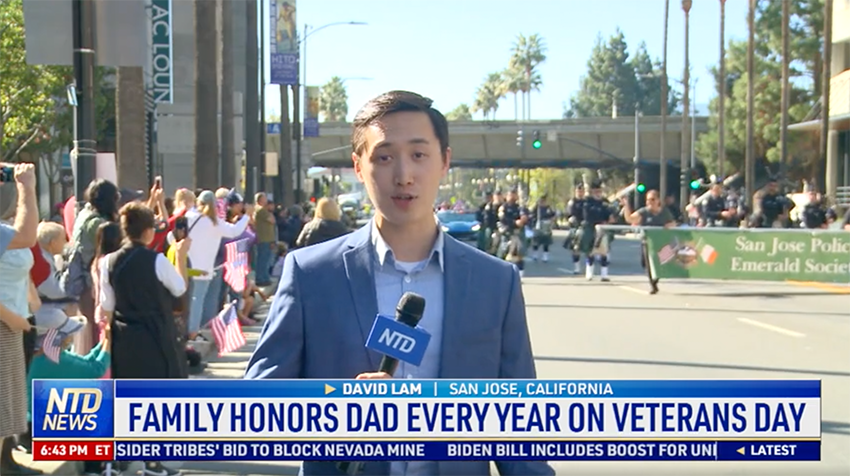
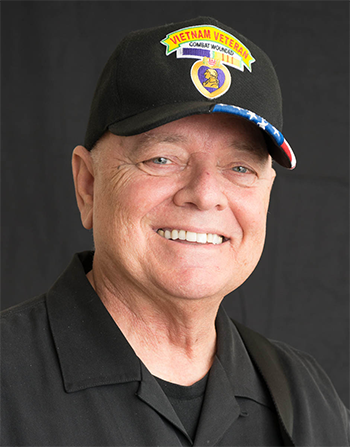 A Memorial creates an actual place where veterans, all who serve their country and families of all races, creeds, social status and opinion can find a place that creates a healing environment to reflect and value one of our greatest gifts--to live in a free society.
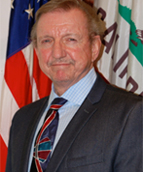 "Going clear back to the Civil War, all of our Veterans have raised their right hand and swore to preserve, protect and defend the Constitution of the United States. And along with that we wrote a check to the U.S. Government and the American People for an amount up to and including our lives. Unfortunately, far too many have given their all in that regard."
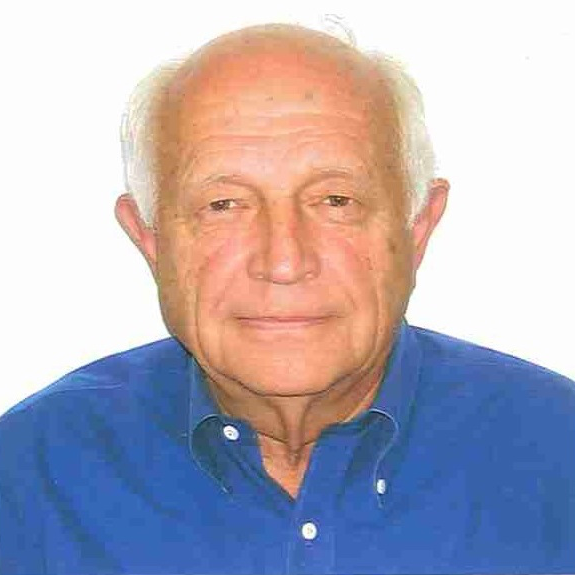 "It is important to have a war memorial because it must not be forgotten that many people gave their lives so that we Americans might have what we have today."
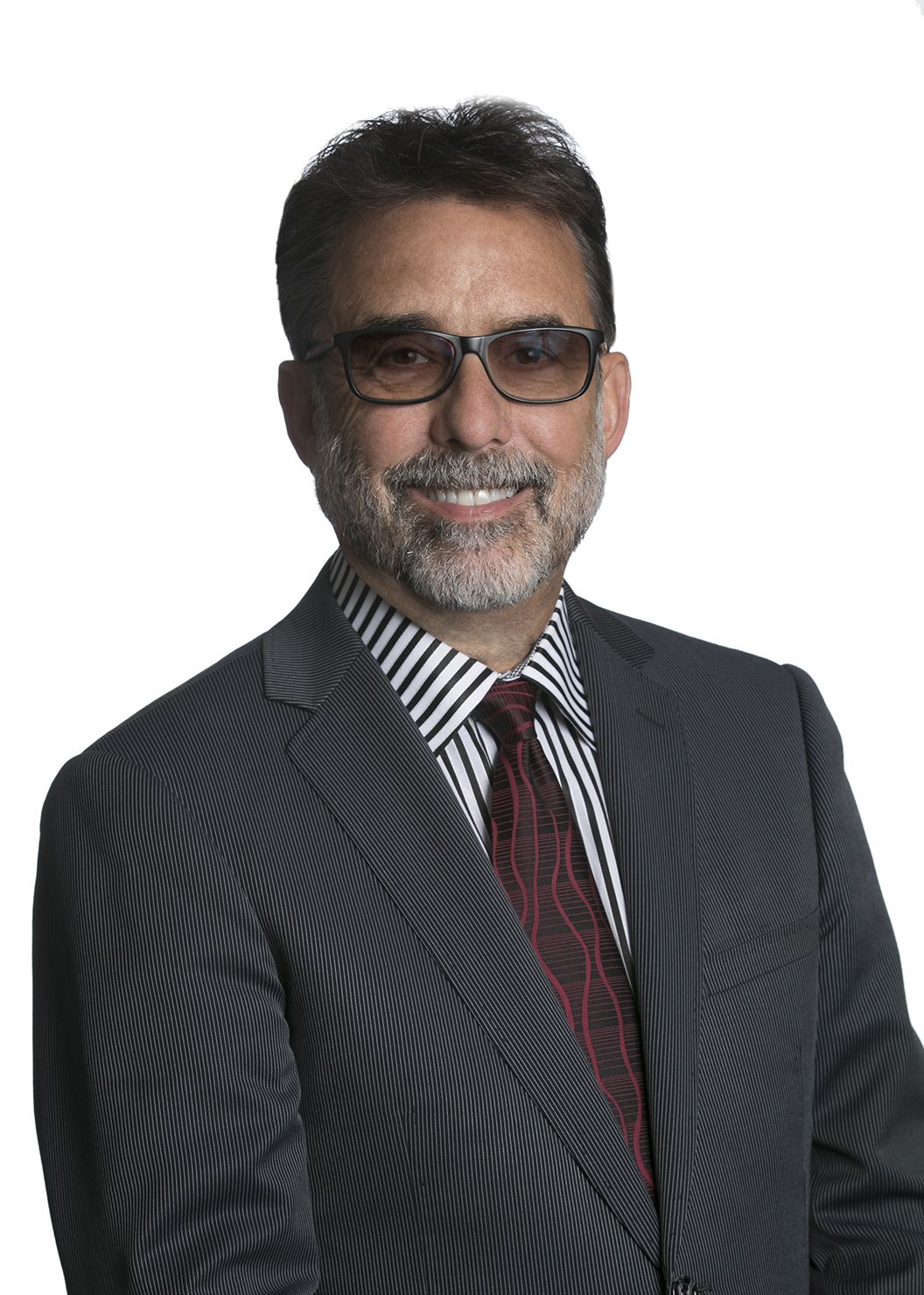 Our freedom to live and work in a community as great as ours is a result of the sacrifices borne by those who serve, and in some cases, veterans who have given us their all for our country. The Flame of Liberty Memorial delivers honor and gratitude to our Veterans. More importantly, it shouts "Welcome Home!"
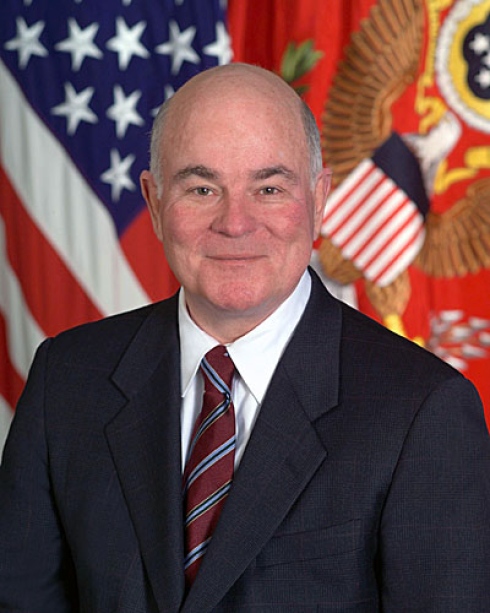 "The reason I have donated time and energy to this worthwhile cause is because Veterans and active Military provide for the peace and freedom of our country, which is fundamental to the American way of life."
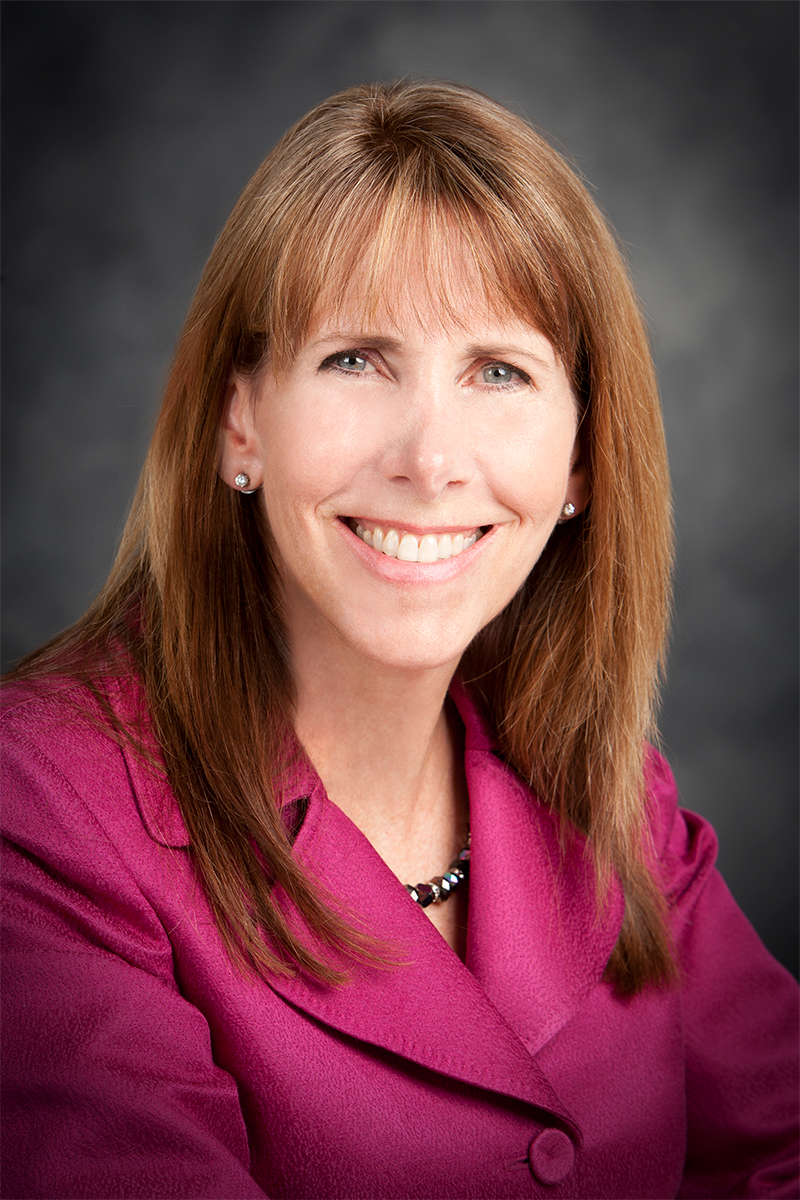 "Seven years ago when we launched this initiative, we wanted to build a memorial that delivered honor, respect, and gratitude. What we didn't know, and learned along this journey, is how powerful memorials can be as a catalyst towards healing."
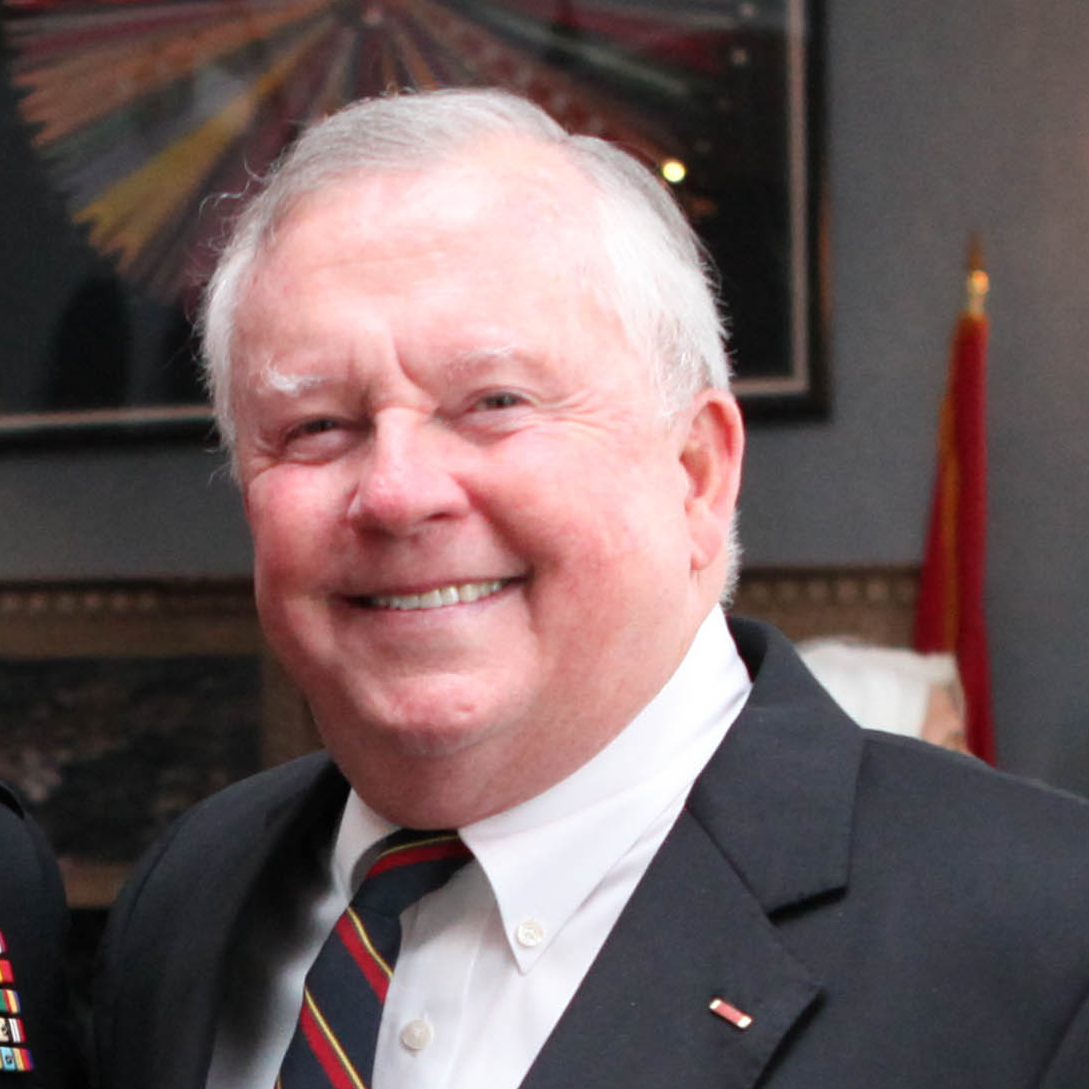 "They gave all of their tomorrows so the rest of us could live in freedom"
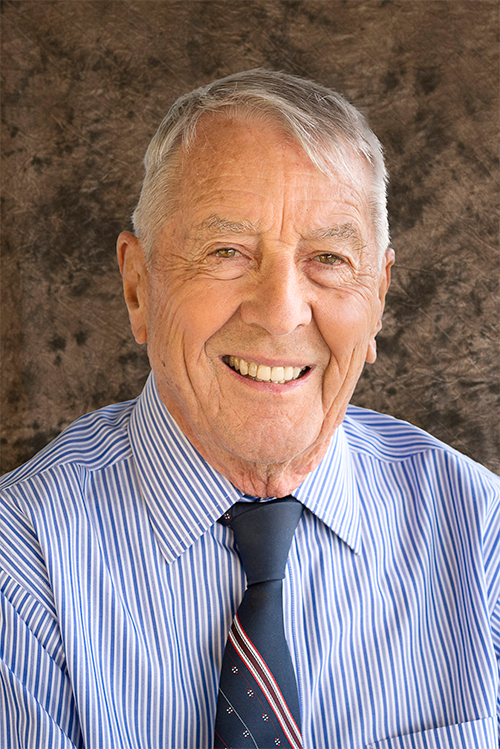 "The best way to remember those who gave so much is to honor their service."
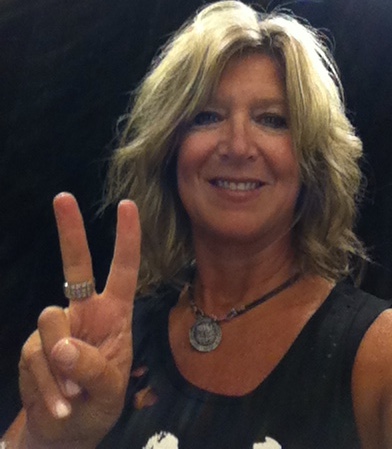 “I’ve had a blessed life because of my freedom. I can’t imagine what it would be like to be without freedom. And for that alone, I know whom to thank and for whom to pray.”
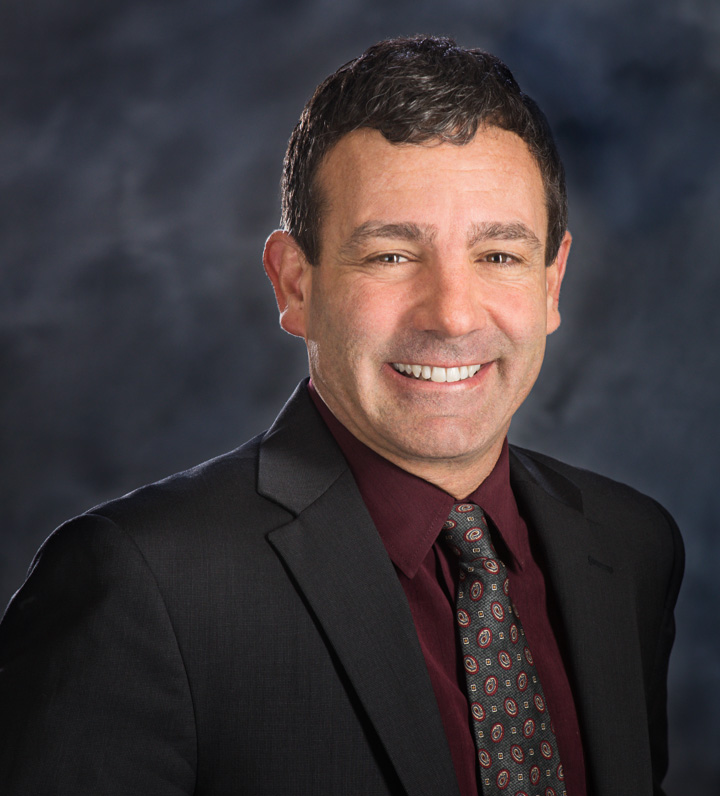 “Recognizing those who sacrificed so much for our freedom is necessary to preserve the ideals of America.”